Welcome
The classical tradition, still taught.
For five hundred years, oil painters trained the same way: cast drawing, grisaille underpainting, glazes built in layers over weeks. The method went out of fashion in the twentieth century — but it never stopped working. This site teaches it from the beginning, in the same order an atelier student would learn it today.
Whether you have never picked up a brush or you have painted for years and want to understand why the surfaces of Rembrandt and Vermeer glow the way they do, you are in the right place. There are no shortcuts here, but there is a clear path. Start with drawing. Then the grisaille. Then the palette, the layers, the subjects. You will get good at this the way painters always have — one careful study at a time.
The Course
Ten chapters, in order
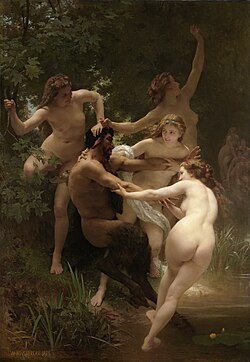
The Classical Tradition
Where the atelier method came from, who taught whom, and why it is being taught again.
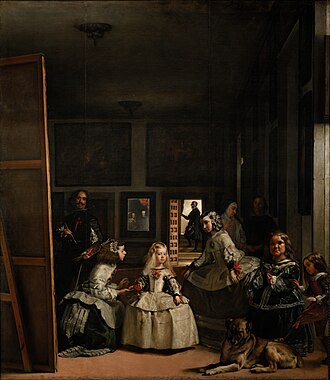
Materials & Studio
Brushes, oils, mediums, pigments, supports. Everything you need; nothing you don't.
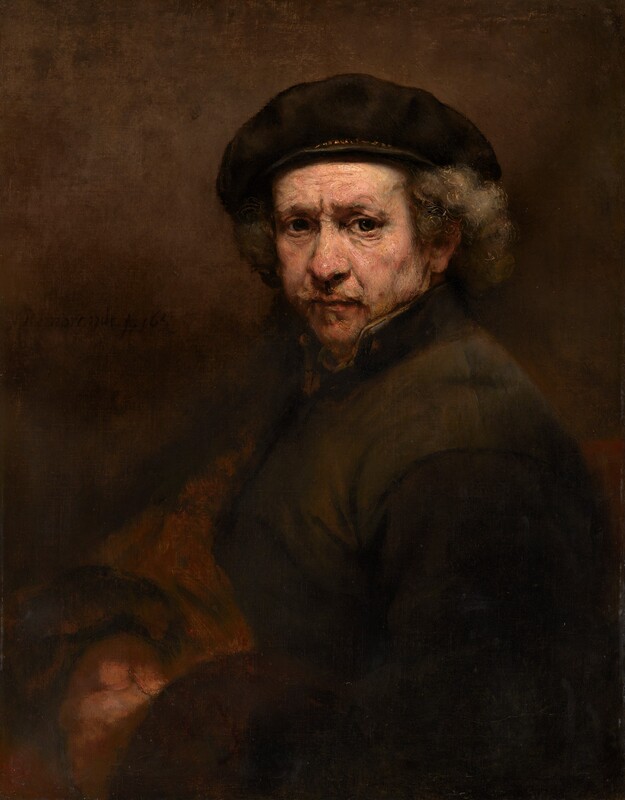
Drawing: The Foundation
The Bargue plates, cast drawing, and the sight-size method — the bedrock of every classical painter.

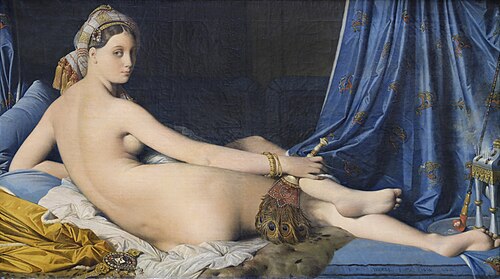
Grisaille & Underpainting
Why the old masters painted everything twice — first in monochrome, then in colour.
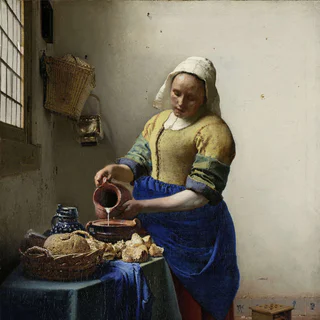
The Classical Palette
Limited palettes that work: the Zorn four, the earth palette, and mixing convincing flesh.
Layered Painting
Imprimatura, dead colour, glazing, scumbling — the five-layer method that lasts 500 years.
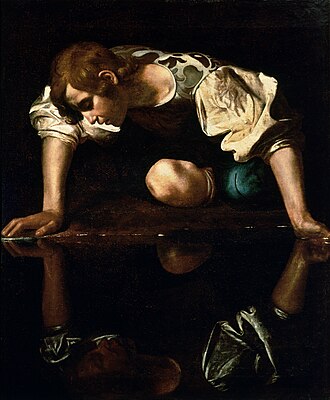
Still Life
The painter's laboratory — where you learn to handle light, surface, and form without a moving model.
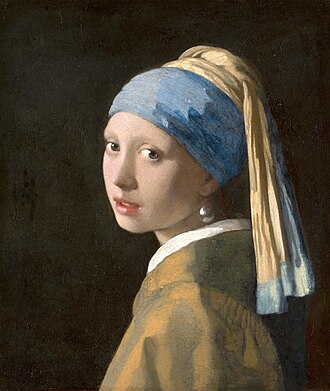
Portrait & Figure
How to construct a head, what to know about anatomy, and how to paint a likeness that lives.
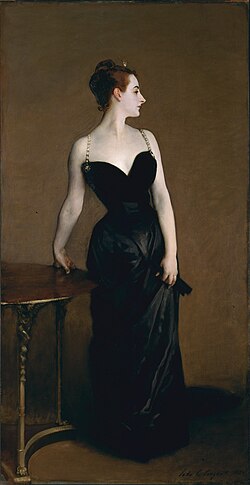
The Old Masters
Eight painters worth a lifetime of study — and how to copy them properly.
Books, Schools & Resources
The essential bookshelf, every serious atelier still teaching, and where to go from here.
Get the values right and your colour will sing. Get them wrong and no jewel of pigment will save you. John Singer Sargent
What you'll learn
From first brushstroke to finished portrait
See like a painter
The block-in, the plumb line, the two families of value. Learn to measure with the eye and construct a form on the page.
Build form in light
How a grisaille underpainting separates value from colour, so each problem can be solved in turn instead of all at once.
Mix without muddying
Why a small palette outperforms a large one, and how to mix convincing flesh from four colours.
Glaze for luminosity
The fat-over-lean rule, transparent glazes, opaque scumbles — what makes Rembrandt's surfaces glow.
Still life to figure
A clear sequence of studies, from a single egg to the long-pose nude. Build the eye before you take on the head.
Stand on shoulders
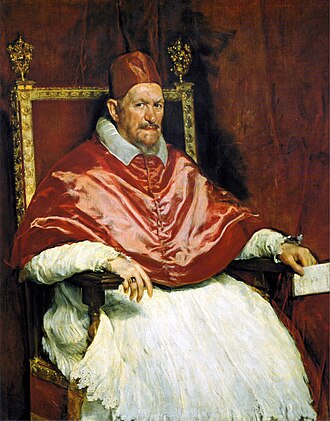
What Velázquez did in one stroke, what Vermeer did in twenty layers, and how to copy them to learn both.
Ready to begin?
Start with the tradition if you want context, or jump straight to drawing if you have a pencil in hand. The materials chapter will save you money before you spend it; the masters chapter is best returned to often.
Set aside two hours, three or four times a week. Work in the order the chapters appear. Don't paint until you can draw a sphere; don't glaze until you can paint in grisaille. The path is well-worn and reliable.